
Licencing Blog

Avoid costly delays and rejection! Learn the real risks of DIY tradie licensing in Australia and how to get your application right the first time.
NSW Trade Licence is a must for in-demand Electricians, Plumbers & HVAC experts. Stop stressing over confusing paperwork & start earning more. Learn how.

Confused by ACT licensing process? Learn how to cut through red tape, win bigger projects, and protect your income. Get licensed today.

Everything you need to know about the biggest change to the VIC builder licensing in 2026. Don’t miss out, read now.

Find out how to get a Restricted Builders Licence in South Australia. Learn who needs one, what types are available, and how to apply with expert help from Licensing Advice.

Think You’re Under the Threshold? Why That Could Still Be Illegal Building Work
How to Apply for a QBCC Licence in Queensland: Avoid Common Mistakes with Licensing Advice

A Guide for Victorian Builders and Tradies
Thinking about obtaining your builder licence in New South Wales but concerned about a lack of recent hands-on experience? Whether you've been managing projects, supervising sites, or working in related roles, you might still be eligible for a builder licence. Here's how. Why Recent Experience Matters NSW Fair Trading requires applicants to demonstrate at least two years of relevant building experience within the last ten years. This experience should encompass a wide range of building work, ensuring that applicants are competent and capable of managing residential construction projects. Experience can include roles such as: Site supervision Project management Estimating and procurement Maintenance roles Even if you haven't been "on the tools" recently, supervisory or managerial experience can be valid, provided it's well-documented and aligns with the scope of residential building work. Strengthening Your Application If your recent experience isn't straightforward, consider the following steps to enhance your application: ✅ Provide Detailed References Select referees who can attest to your responsibilities and competencies in building projects. Detailed references that outline your role, the nature of projects, and your contributions can significantly bolster your application. ✅ Document Your Experience Maintain records of projects you've been involved in, highlighting your specific roles and responsibilities. Include: Project descriptions Your role and tasks Duration of involvement Outcomes and any challenges overcome ✅ Supplement with Additional Evidence Gather supporting documents such as: Timesheets or invoices Photographs of completed projects Contracts or project plans Statutory declarations ✅ Consult with Licensing Experts Engaging with licensing specialists can provide clarity on the application process and help present your experience effectively. At Licensing Advice, we offer tailored support to navigate the complexities of the NSW builder licence application. Understanding Qualifications In addition to experience, NSW Fair Trading mandates specific qualifications for builder licence applicants. Typically, a Certificate IV in Building and Construction is required. If you're uncertain about your qualifications, we can assist in identifying the appropriate training pathways. Next Steps Every builder's journey is unique, and a non-traditional path doesn't preclude you from obtaining a licence. The key is to present your experience and qualifications comprehensively and accurately. At Licensing Advice, we specialise in guiding applicants through the NSW builder licence process, ensuring all requirements are met and applications are robust. Need Assistance? If you're ready to take the next step or need more information, we're here to help: Start Your NSW Fair Trading Licence Application Understand NSW Fair Trading Licence Requirements Book a Free 15-Minute Consultation Let us assist you in turning your experience into a successful builder licence application.

If you are planning to apply for a QBCC licence, whether it is a Trade Contractor Licence or a Builder Licence, timing is going to be critical. The process can feel like navigating a complex maze, with different steps, requirements, and wait times depending on the type of licence you are pursuing. At Licensing Advice, we are here to simplify it for you, breaking down the timelines and helping you get started at the right moment. Here is a key takeaway. Applications take some time, and the busiest period for applications nation wide is May to August, when submission volumes spike and processing times stretch. If you are aiming to kick off your trade career or launch a building business in the new financial year (starting July), now is the time to act and not leaving it weeks before you need it. Let us dive into the timelines for both Trade and Builder licences so you can plan ahead.
Navigating VIC DBL and CBL Licences: Your Guide to Trade Licensing in Victoria

Major Changes Are Coming to Victoria’s Building Industry in 2025: What Tradies Need to Know

What is Site Supervision Experience and How It Helps You Get Your Builder Licence
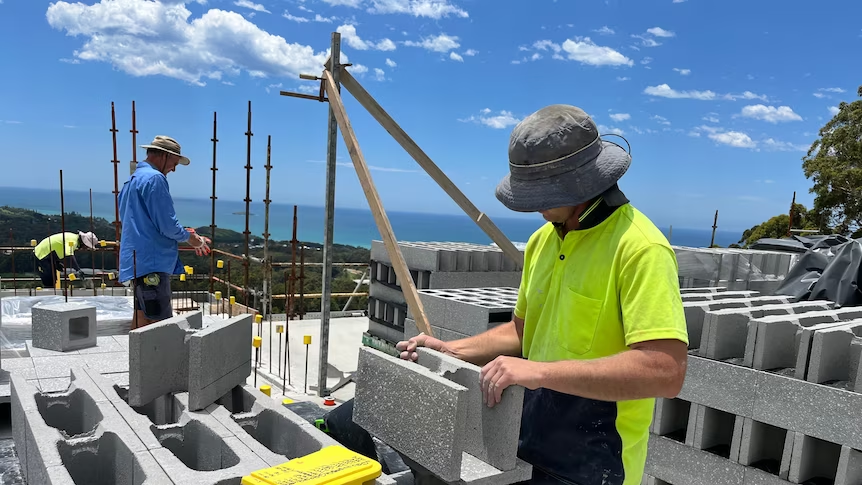
What You Need to Know About Getting a New South Wales Builder Licence If you're thinking about becoming a builder in New South Wales (NSW), there's a fair bit to wrap your head around before you're ready to apply for your NSW Builder License. Whether you're already working onsite and wondering if you're eligible, or you're still an apprentice planning ahead, understanding what’s involved will give you the best shot at getting licensed when the time comes. In NSW, there's currently only one type of "builder licence", and it's strictly for residential work. But changes could be on the way, with talk of introducing commercial builder licences like they have in other states such as Queensland and Victoria . This blog will break down what you need to know now and how to prepare for your builder license, whether you're ready to apply soon or just mapping out your career. What Can You Do with a NSW Builder License? A NSW Builder License is a must if you want to carry out any residential building work valued at over $5,000 (including materials and labour). The current licence allows you to: Build new homes, townhouses, and other residential buildings Carry out major renovations and structural alterations to residential buildings Unlike Queensland and Victoria, NSW doesn’t currently have a commercial builders license (which means you can build a 20 story office building without a builders license, but if you want to build a granny flat, you need a builders license - crazy right?), but that could change soon with proposed updates to the system. Do You Meet the Experience Requirements? To apply for a NSW Builder Licence, you’ll need to show at leas t two years of hands on experience doing a "wide range" of building work. Most of this exp erience needs to be from the last 10 years and the projects need to be within the state of NSW. Depending on your qualifications, you’ll also need to show either: Site supervision experience: On site managing projects, organising/supervising trades, and making sure their work is done to the right standard (Check out our blog on what is site supervisor experience ), and or Multiple trade works: experience working across different trades like carpentry, concreting, and roofing (although this option is less often explored in applications). If you're not quite there yet, it's still worth keeping track of your work history now so you're ready when the time comes. Write down what jobs you're working on, who you're working for, and what your role is, even if you're just starting out. What Qualifications Do You Need? NSW requires everyone applying for a builder license to have a Certificate IV in Building and Construction (for most circumstances). This course covers everything from site safety to building codes and contract management, basically all the knowledge you'll need as a licensed builder. Some tradies also go on to do a Diploma of Building and Construction or have trade licences/qualifications in carpentry or bricklaying, which can help strengthen your application. But if you're only just starting to plan your future, obtaining the Cert IV in Building & Construction is your main goal for now. How to Get Ready for Your License Whether you're a few years away from applying or you're nearly ready to submit your application, here's how to set yourself up: Save Your Paperwork : Payslips, invoices, job contracts, references. Anything that proves your experience should be kept in a safe place. Get a Mix of Experience : Try to work on different stages of jobs such as new homes, extentions and/or structural renovations. The more variety, the better your chances! Build and Keep Good Relationships : Your Builder will play a big part in your application, so make sure you're leaving a good impression with the people you're working for. If you don't it could deem you ineligible. Look Into Qualifications Early : If you're not sure where to start with the Cert IV, talk to your employer about whether they can help you get started while you're still working. What's Coming: Commercial Builder Licences The NSW Government is looking into introducing the C ommercial Builder License NSW to regulate larger, nonresidential jobs. Nothing is set in stone yet, but it's something to keep an eye on if you're planning to move into commercial building work down the track. Final Thoughts Getting a NSW Builder License isn't something that happens overnight. But, with the right plan you can get there. Whether you're already working onsite or just starting out, the best time to start preparing is now. If you're not sure where you stand or what you need to do next, Licensing Advice is here to help. We specialise in guiding tradies through the entire complicated licensing process, from assessing your experience, preparing the application for you including contacting your references and ensuring a smooth lodgment process. Book your free call today and take the first step towards your future as a licensed builder in NSW.
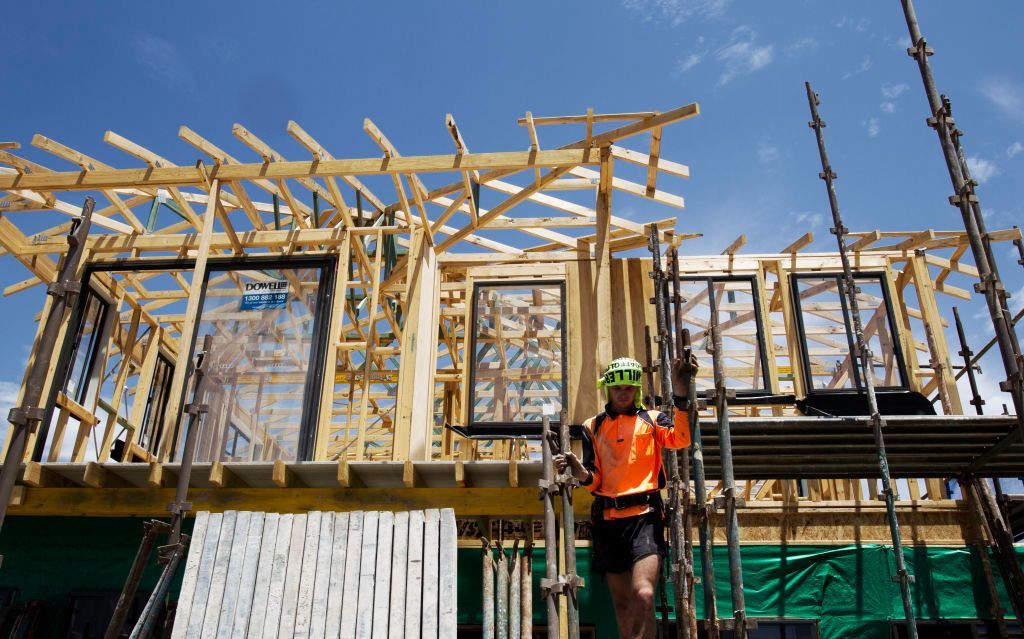
If you’re wondering how to be a builder or how to get a builder license in Queensland, you’re in the right place. The building industry in QLD is both exciting and challenging, and obtaining your license is a critical step towards a rewarding career. In this blog post, we break down the process into three essential steps, ensuring you have a clear pathway to success. Step 1: Determine What You Want to Build Before you dive into the process of becoming a licensed builder, it’s crucial to establish your area of focus. Ask yourself: What Classes of Buildings do you want to work on? Do you envision yourself constructing homes (Class 1), apartments (Class 2), or commercial buildings? Do you just want to build a brand new structure, do you just want to do renovations? Your answer will determine what type of builders license is required. How many stories? You will also need to determine how many stories in height you wish to construct, as this will also determine what builders license is required. Will you carry out specialist building work? If you intend to carry out specialist building work (eg. Plumbing, Electrical, Fire Protection, Mechanical Services etc.) then you may need an additional license as well as a builders license Finalising what builders license is needed. Once you have located the class of building, and height in stories you can now determine which QLD builders license is needed. If you refer to THIS document, on the very right hand side it will determine if you require a LR (Builder Low Rise), MR (Builder Medium Rise) or BO (Builder Open). Understanding what kind of builders license is needed at the very beginning will ensure that you're setting yourself on the right path, and that your efforts are not in vain. If you need assistance with determining what license you need, you're welcome to obtain clarification for this in a free 15 minute consultation Step 2: Obtain the Appropriate Qualification The next step is to obtain the necessary qualifications, which is different for each type of builders license. For a Builders License in Queensland, you need a formal qualification as well as specific experience. Formal Courses and Training If you do not have any site management experience , you will need to complete a recognised course. Many aspiring builders start with courses such as the Certificate 4 in Building and Construction or similar accredited programs. These courses cover essential topics including: Construction management and planning Building codes and standards in Queensland Safety regulations and compliance Project management fundamentals These programs provide you with the technical knowledge and skills needed to operate safely and effectively in the field. Recognition of Prior Learning (RPL) For those who already have a solid foundation in site management, typically a minimum of three to four years of experience Queensland offers the option of Recognition of Prior Learning (RPL) . This pathway allows experienced professionals to demonstrate their competence and obtain credit for their work experience, potentially bypassing some of the formal coursework which can take months or years to complete. How RPL Works: You will want to contact a registered training organisation to discuss your eligibility. You’ll need to provide evidence of your work experience, including project details, photos/videos, references and much more. The training organisation will assess your portfolio and determine which parts of the qualification you may already meet through real life experience. Choosing between formal training and RPL depends on your background and experience. If you’re new to site management, the structured course for you to learn is the best starting point. If you have three or four years experience with documented proof, we would suggest exploring RPL to save you time. Step 3: Gain Site Supervision Experience and Maintain Detailed Records Qualifications and theoretical knowledge are just the beginning. Practical experience is equally crucial in establishing yourself as a licensed builder. On site experience After obtaining your qualifications, the next step is to gain a on site, supervisory role under a licensed builder managing trades on a regulator basis, as well as project management aspects of the project. Here are some key tips: Retain Documents If you have any documental proof showing that you are on site managing a project, keep all records of these as this is undeniable proof that the QBCC will want to see for your application. Keep a good relationship with the builder: There is nothing worse then working with a builder for many years, only for you to end on bad terms or not keep the builders contact details, you will need them as a reference for when you apply so keep a good relationship! Retain proof of how you were paid If you are an employee, keep a hold of your payslips and employment agreements. If you're contracting (with a license we hope! That could be illegal and the QBCC won't accept this experience) keep a hold of your invoices and a matching bank statement showing you were paid by the builder/building company that is your reference. Conclusion The journey to become a licensed builder in QLD requires a clear plan and commitment. To recap: Identify What you want to build: Decide what types of projects you want to undertake, as this will determine the specific license you need. Obtain the Right Qualification: Each builders license requires a different qualification, make sure you know what qualification you need and obtain this first! Gain and Document Practical Experience: Work on site in a supervisory role with a licensed builder, document and retain all relevant documents to use as proof for when you apply for your Builders License at a later stage If you feel that you’ve checked off these steps and are ready to take the next leap in your building career, Licensing Advice is here to help. We specialise in preparing builder license applications with QBCC on your behalf, ensuring that your experience and qualifications are presented in the best possible light so that you're not rejected. Let us guide you through the application process so you can focus on what you do best. For more detailed advice on builder licensing and additional resources, feel free to explore our other blog posts or contact us directly. Your journey to becoming a licensed builder in Queensland starts here!

Our guide simplifies the builder registration process, covering license types, eligibility, and application steps. Let Licensing Advice handle the paperwork and fast-track your registration today

Commercial builds in NSW are changing!
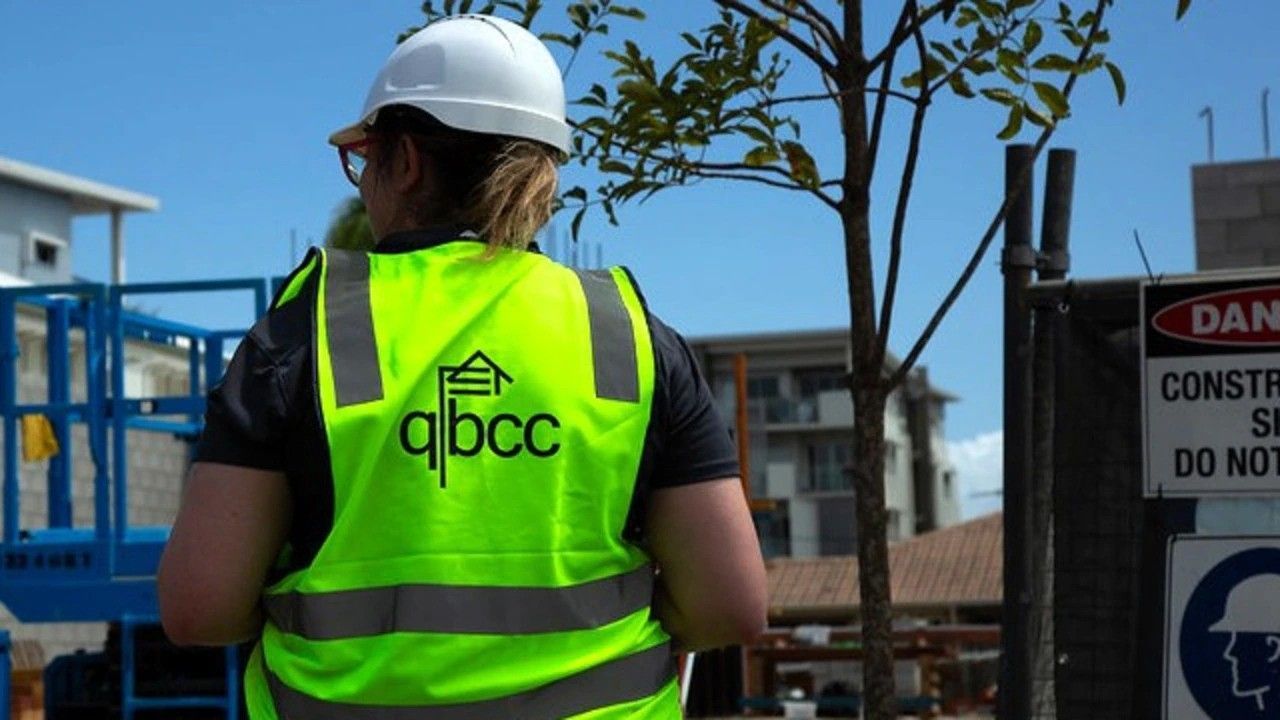
Learn the risks, penalties, and requirements for operating without a trade licence in Australia. Stay compliant with state laws and avoid fines.

If you're looking to establish yourself as a professional painter and decorator in Queensland, getting the right licence is a must. The Queensland Building and Construction Commission (QBCC) oversees the licensing process, ensuring that tradespeople meet industry standards and are qualified to handle building projects. If you want to start contracting or grow your painting and decorating business, securing a QBCC licence is your first step. In this blog, we'll walk you through everything you need to know about applying for a painting and decorating licence and how Licensing Advice can help streamline the process. Why Do You Need a Licence? Holding a QBCC Painting and Decorating Licence gives you the credibility and legal backing to operate as a qualified tradesperson in Queensland. Not only does it assure clients of your professionalism, but it also opens up a wider range of business opportunities. Without the correct licence, you could face hefty fines, and you're limited to smaller, low-value projects. Types of Painting & Decorating Work Covered by the QBCC Licence A QBCC Painting and Decorating Licence allows you to carry out the following tasks: Surface preparation, including sanding, priming, and filling. Applying various paints, varnishes, and other finishes to interior and exterior surfaces. Using wallpaper and other wall coverings. Decorative finishes, such as textures, stencils, or specialty paints. If you're planning on offering these services on larger projects, having a licence is crucial. QBCC Licensing Requirements for Painting & Decorating To qualify for a QBCC Painting and Decorating Licence, you'll need to meet specific criteria, including: 1. Technical Qualifications: You must have the relevant qualifications, such as: A Certificate III in Painting and Decorating (CPC30611 or its equivalent). This certificate ensures you have the skills to perform painting and decorating tasks safely and professionally. 2. Experience: QBCC will assess your work history, requiring you to demonstrate a certain level of experience within the painting and decorating industry. Typically, you'll need to prove several years of practical work experience, which can be verified by references or employer statements. 3. Financial Requirements: If you're applying for a contractor's licence, you’ll also need to meet specific financial requirements. This is to ensure that you can handle the financial responsibilities that come with running a painting and decorating business. QBCC requires you to submit documentation proving your business's solvency, such as financial statements. The Application Process The application process for a QBCC licence can be time-consuming and complex, especially if it's your first time applying. Here's a brief overview of the steps involved: Complete Your Application Form: You'll need to fill out the correct QBCC licence application form and provide detailed information about your qualifications, experience, and financials (if applicable). Gather Documentation: Compile all necessary paperwork, including your Certificate III in Painting and Decorating, work references, and financial documents. Missing or incorrect documents can lead to delays, so it’s crucial to be thorough. Submit Your Application: Once your form is complete and all documents are in order, submit your application to QBCC. Depending on the completeness and accuracy of your submission, the process can take weeks or even months for approval. Wait for Review: QBCC will review your application, and if additional information is required, they'll let you know. This step can extend the timeline if any documents are missing or need further clarification. Approval or Further Steps: If your application is successful, congratulations—you’re licensed! If your application is denied, QBCC typically doesn't provide detailed feedback, and you'll need to reapply, often at additional cost. Why Getting the Application Right is Crucial The QBCC licensing process is strict. If your application is denied due to incomplete or incorrect information, you will not receive a refund of your application fees. Furthermore, you won't be given specific feedback on why your application was unsuccessful, leaving you to figure out where you went wrong. You then need to fix the errors and reapply, paying the fees all over again. This is why it's essential to ensure your application is completed correctly the first time. That's where Licensing Advice comes in. How Licensing Advice Can Help At Licensing Advice, we have a 98% success rate in getting clients licensed on their first application. Here's how we make the process easier for you: Expert Guidance: We understand the QBCC’s requirements inside out and ensure your application meets all criteria. Document Preparation: Our team will help you gather and prepare the necessary documentation, ensuring everything is complete and accurate. Application Submission: We handle the entire submission process for you, so you don't have to worry about missing details or paperwork errors. Ongoing Support: We keep you updated on the progress of your application and provide any necessary follow-up, ensuring a smooth process from start to finish. Ready to get licensed? Don’t leave it to chance—let us take care of the hard work. Take our 60-Second Eligibility Check or book your FREE 15-minute consultation today, and let’s get you on the path to becoming a licensed painter and decorator.